Jyokyo, a term that resonates with deep cultural significance, invites us on a journey through its rich tapestry of history and belief. Rooted in ancient traditions yet adaptable to modern times, Jyokyo serves as both a spiritual guide and a reflection of societal values. This intriguing blend makes it essential for anyone curious about the intersections of culture, spirituality, and contemporary life. As we dive into the origins and evolving expressions of Jyokyo, prepare to uncover layers of meaning that continue to inspire people across generations. Whether you’re well-versed in this practice or just beginning your exploration, there’s much to discover about what Jyokyo represents today.
The Origins and History of Jyokyo
Jyokyo traces its roots to ancient traditions, emerging as a distinct cultural phenomenon over centuries. Its origins lie in the fusion of various spiritual practices and philosophical beliefs from different regions.
Historically, Jyokyo developed within communities that valued harmony with nature and human connection. Early practitioners sought balance through rituals that honored ancestors and celebrated seasonal changes.
As time progressed, Jyokyo absorbed influences from neighboring cultures while maintaining its unique identity. This adaptability allowed it to thrive during periods of social transformation.
The evolution of Jyokyo reflects the historical tapestry of the societies it has touched. Each chapter adds depth, creating a rich narrative woven with layers of meaning and significance. The journey is intricate, revealing how past experiences shape present interpretations.
Key Elements and Beliefs of Jyokyo
At the heart of Jyokyo lies a profound respect for nature and the universe. Practitioners believe in the interconnectedness of all living beings, emphasizing harmony with one’s surroundings.
Central to its teachings is mindfulness. Followers engage deeply with their thoughts and actions, cultivating a sense of awareness that transcends daily life. This focus on presence fosters not only personal growth but also community bonds.
Rituals often highlight gratitude—expressing thanks for simple blessings forms a core belief within Jyokyo. These acts reinforce positive energy and encourage an optimistic worldview.
Additionally, moral principles guide interactions among practitioners. Values such as compassion, integrity, and humility are paramount. They help cultivate relationships built on trust and support.
Jyokyo encourages individuals to seek enlightenment through experience rather than dogma. This open-minded approach invites exploration while respecting traditional beliefs without rigid adherence.
Traditional Practices and Rituals
Traditional practices and rituals in Jyokyo are deeply rooted in its cultural heritage. They serve as vital expressions of community values and spiritual beliefs.
One prominent ritual is the seasonal festival, where locals gather to celebrate nature’s cycles. This event often features music, dance, and elaborate costumes that reflect historical narratives.
Another essential practice is meditation. Practitioners engage in mindfulness techniques to connect with their inner selves and the universe around them. These sessions foster a sense of peace and belonging within the community.
Rituals surrounding birth, marriage, and death also hold significant importance. Each event incorporates unique customs designed to honor life’s transitions while reinforcing social ties.
Food plays a central role too. Special dishes are prepared during festivals or family gatherings, symbolizing abundance and continuity through generations.
These traditions enrich everyday life for many who embrace Jyokyo’s teachings.
Modern Interpretations and Adaptations of Jyokyo
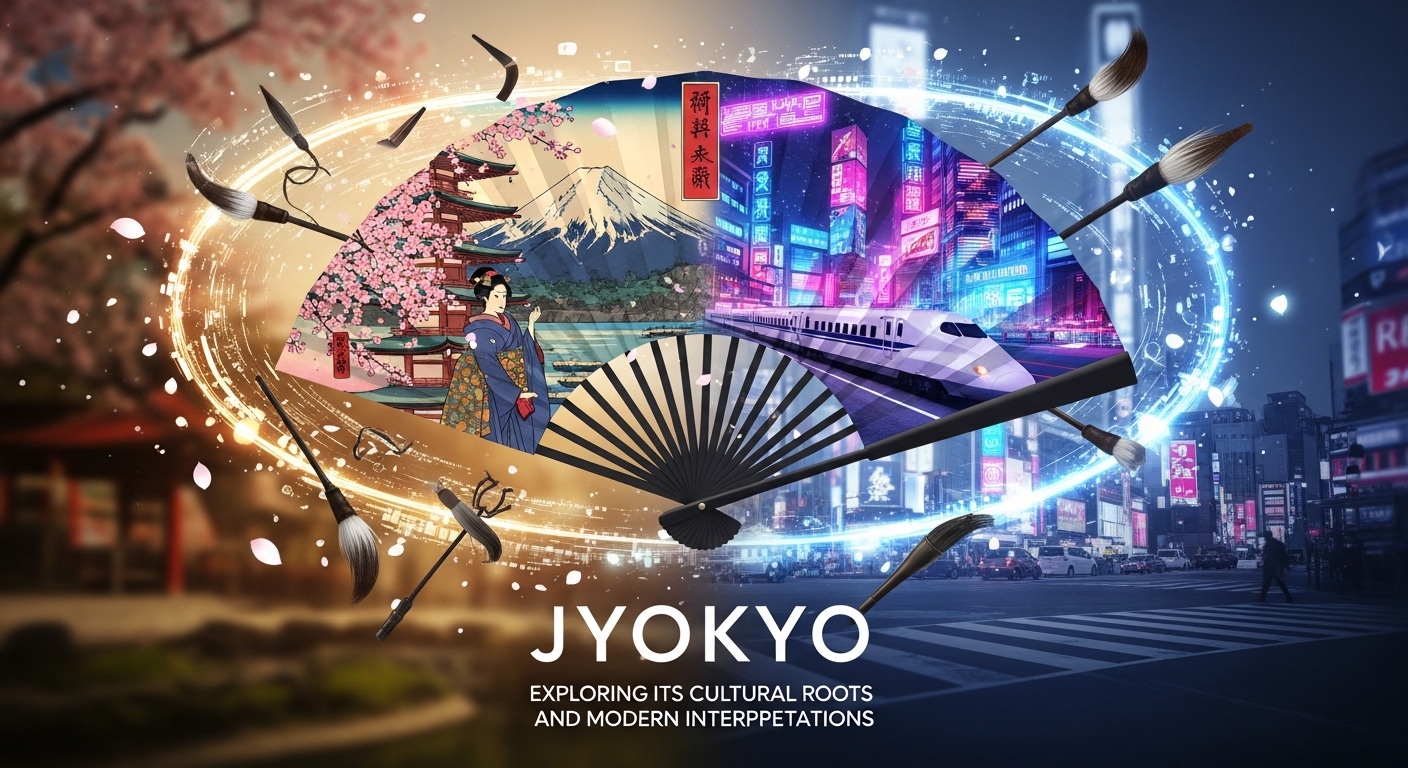
Modern interpretations of Jyokyo have emerged as a vibrant tapestry, weaving traditional elements with contemporary values. Artists and practitioners are increasingly finding ways to express the core beliefs of Jyokyo through various mediums—music, dance, and visual arts.
In urban settings, community workshops focus on blending ancient rituals with modern lifestyles. Participants explore mindfulness practices inspired by Jyokyo’s teachings while adapting them for busy city life.
Social media platforms play a pivotal role in reshaping perceptions around Jyokyo. Influencers share their journeys, making these traditions accessible to younger audiences who may not have grown up immersed in this rich heritage.
Moreover, fusion festivals celebrate the spiritual aspects of Jyokyo alongside global art forms. This amalgamation fosters deeper connections among diverse cultures while preserving essential elements that define its essence today.
Influence on Contemporary Culture
Jyokyo has woven its narrative into the fabric of contemporary culture, influencing art, music, and literature. Many modern artists draw inspiration from Jyokyo’s rich symbolism, using it to explore themes of identity and spirituality.
In literature, authors often integrate elements of Jyokyo philosophy. This serves as a backdrop for character development and plot progression. The stories resonate with readers seeking deeper connections to their own cultural roots.
Music is another domain where Jyokyo shines brightly. Contemporary musicians incorporate traditional instruments and melodies associated with this belief system. These sounds evoke nostalgia while also appealing to younger audiences looking for authenticity in their playlists.
Fashion trends have also embraced Jyokyo aesthetics. Designers blend traditional attire with modern styles, creating unique pieces that celebrate heritage while remaining relevant today. This fusion highlights the ongoing dialogue between past traditions and future innovations within society’s creative landscape.
Controversies Surrounding Jyokyo
Jyokyo has not been without its share of controversies. Critics often question the authenticity of modern practices, arguing that they stray too far from traditional roots. This debate can be quite polarizing within communities that embrace Jyokyo.
Some proponents express concern about commercialization. As various interpretations emerge, there is a fear that the essence may be diluted in favor of profit-driven motives. This tension raises questions about cultural preservation and identity.
Additionally, differing beliefs among practitioners create friction. Some factions uphold strict adherence to historical texts while others advocate for evolution and inclusivity. These divisions spark heated discussions on what it truly means to practice Jyokyo today.
Public perception also plays a role. Media portrayals sometimes misrepresent core tenets, further complicating how Jyokyo is viewed by outsiders. Misinformation can lead to misunderstandings and skepticism surrounding this rich cultural tradition.
The Resilience and Evolution of Jyokyo in Today’s Society
Jyokyo has shown remarkable resilience in the face of modern challenges. As society evolves, so does this cultural practice. Many practitioners have adapted traditional elements to better fit contemporary lifestyles.
Social media plays a pivotal role in this evolution. It allows for broader sharing and engagement with Jyokyo’s rich traditions. Younger generations are finding innovative ways to incorporate its beliefs into their daily lives, making it relevant today.
Workshops and community events bring people together, fostering a sense of belonging among enthusiasts. These gatherings help keep ancient practices alive while infusing new energy and perspectives.
Moreover, Jyokyo is increasingly recognized within academic circles as an important cultural phenomenon. Scholars study its impact on local communities and global interactions alike.
As Jyokyo continues to adapt, it maintains the essence of its core values while inviting fresh interpretations that resonate with diverse audiences across the globe.
Conclusion
Jyokyo stands as a testament to cultural resilience and adaptation. Its roots intertwine with history, spirituality, and community practices that have evolved over centuries. As we navigate through modern interpretations of Jyokyo, it becomes clear how it shapes identities in contemporary society.
The journey of reveals its significant influence on art, literature, and social movements today. While some controversies challenge its place in the modern world, they also spark vital discussions about tradition versus innovation.
As Jyokyo continues to adapt amidst changing times, it invites everyone to engage with its rich legacy. The blend of ancient beliefs with new perspectives ensures that this cultural phenomenon remains relevant—an ever-evolving narrative that connects generations across different landscapes. Embracing both its origins and new expressions allows Jyokyo not only to survive but thrive in today’s diverse tapestry of cultures.