
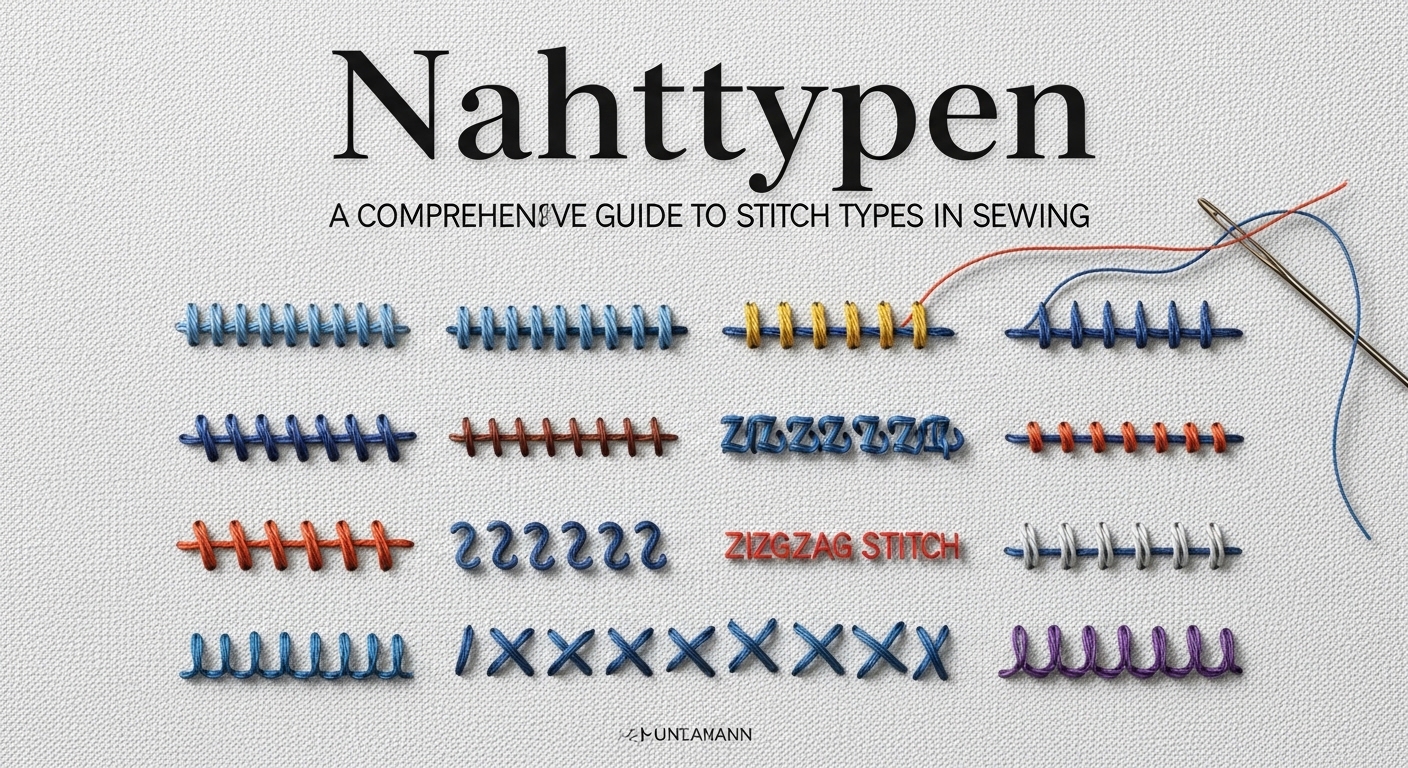
Sewing is not just a craft; it’s an art form that allows you to express your creativity and bring your ideas to life. One of the most essential aspects of sewing is understanding Nahttypen, or stitch types, which can make all the difference in how your project turns out. From simple hand-stitches to intricate machine designs, each type of stitch serves a unique purpose and adds character to your work.
Whether you’re mending clothes, creating home decor items, or embarking on a quilting adventure, knowing the right stitches can elevate your skills and enhance your projects. Dive into this comprehensive guide as we explore various Nahttypen used in sewing—helping you choose the perfect stitch for every occasion!
Common Hand-Stitches in Sewing
Hand-stitching is an essential skill for any sewer. It allows for precision and control that machines often can’t replicate.
One of the most common hand stitches is the running stitch. This simple technique involves a straight line of evenly spaced stitches, making it ideal for gathering fabric or creating seams.
The whip stitch is another favorite among sewers. It’s perfect for hemming or closing up openings in stuffed items like toys. Its diagonal pattern gives added strength to edges.
For more decorative purposes, consider the backstitch. It creates a strong seam and offers durability while providing a neat finish on both sides of your fabric.
Don’t overlook the slip stitch, great for invisible hems! The beauty lies in its subtlety, allowing you to finish projects without visible stitching lines on the front side. Hand-stitches open up endless creative possibilities!
Basic Machine Stitches
Basic machine stitches are the foundation of any sewing project. They provide structure and durability to your creations. Understanding these stitches is essential for both beginners and seasoned sewists.
The straight stitch is perhaps the most common. It’s versatile and can be used for almost any type of fabric. Whether you’re piecing quilt blocks or hemming garments, this stitch does it all.
Zigzag stitches add a decorative flair while also preventing fraying on raw edges. This makes them ideal for knits and stretch fabrics where flexibility matters.
Another staple is the basting stitch, which temporarily holds layers together before final stitching. It’s perfect for fitting adjustments or gathering fabric without commitment.
Learning how to use these basic machine stitches effectively opens up a world of possibilities in your sewing journey. Each stitch has its purpose, so take time to explore their potential!
Decorative Stitches and their Uses
Decorative stitches add a special touch to any sewing project. They can transform a simple fabric into a stunning piece of art. From intricate floral patterns to bold geometric shapes, these stitches allow for creativity and personalization.
Common decorative stitches include zigzag, satin stitch, and blanket stitch. Each serves different purposes and creates unique effects on your fabric. For instance, zigzag stitching is great for finishing edges while adding flair.
You can use decorative stitches in various ways—on hems, collars, or even as standalone designs on bags or quilts. Experimenting with thread colors also enhances the visual impact.
Think of decorative stitching as the icing on your sewing cake. It elevates ordinary pieces into extraordinary ones that reflect your style. Let your imagination run wild; there are no limits when it comes to embellishing with Nahttypen!
Understanding Stitch Length and Tension
Stitch length and tension are crucial factors in achieving the perfect seam. The stitch length determines how closely or loosely stitches are placed together, influencing both appearance and strength. Shorter stitches provide more durability, making them ideal for seams that endure stress.
Tension controls how tightly the thread is pulled as it feeds through the machine. A well-adjusted tension ensures even stitches on both sides of your fabric, avoiding frustrating puckering or loose threads.
Experimenting with different settings allows you to find what works best for each project. Thick fabrics may require a longer stitch length and looser tension, while delicate materials often benefit from tighter settings.
Don’t hesitate to make adjustments throughout your sewing process. Observing how changes affect your work can lead to improved techniques and stunning results. Understanding these elements will enhance not only your skills but also the quality of your creations.
Troubleshooting Common Stitching Problems
Stitching problems can be frustrating, but they are often easy to fix. One common issue is skipped stitches. This usually happens due to a dull needle or incorrect threading. Make sure your needle is sharp and properly inserted.
Another problem you might encounter is thread bunching. If fabric gathers unevenly, check the tension settings on your machine. Adjust it slightly until you achieve a smooth finish.
If you’re noticing uneven stitches, examine your fabric choice and pinning technique. Sometimes heavier fabrics require different needles for optimal results.
Lint build-up in the bobbin case can also lead to inconsistent stitching quality. Regular cleaning of your sewing machine will help maintain performance.
Always refer to your sewing manual for troubleshooting specific issues related to stitch types and settings tailored for various projects.
Tips for Choosing the Right Stitch for your Project
Choosing the right stitch can make a big difference in your sewing project. Start by considering the fabric you’re using. Lightweight fabrics often require delicate stitches, while heavier materials need something more robust.
Think about the function of your piece as well. For garments that will stretch, such as t-shirts, opt for zigzag or stretch stitches to maintain flexibility.
Don’t overlook aesthetic appeal either. Decorative stitches can elevate a simple design and add unique character to home decor items or accessories.
Experiment with thread types too; different threads can affect how seams appear and perform under stress.
Don’t hesitate to test out several stitches on scrap pieces before committing to your final choice. This trial-and-error approach ensures you achieve just the look and durability you desire for your project.
Experiment and Have Fun with Different Nahttypen!
Experimenting with different Nahttypen can ignite your creativity. Each stitch type offers unique textures and appearances that can transform a simple project into something extraordinary.
Don’t be afraid to mix stitches within a single piece. Combining straight stitches with zigzags or decorative elements can create stunning effects.
Try using contrasting thread colors for an eye-catching look. This technique highlights the beauty of each stitch while adding depth to your fabric.
Play around with different fabrics too! What works on cotton might yield entirely different results on silk or denim.
Set aside time to just play with your sewing machine or needle and thread. You never know what beautiful creations will emerge from those spontaneous moments of exploration. Embrace mistakes as part of the learning process; they often lead to unexpected design breakthroughs!
Conclusion
Understanding Nahttypen can elevate your sewing projects to new heights. By getting familiar with various stitch types, from hand-stitches to machine stitches and decorative options, you empower yourself to choose the right technique for any project.
Remember that stitch length and tension are key factors in achieving professional results. If you encounter issues while sewing, troubleshooting common problems will save you time and frustration.
Experimentation is part of the creative process; don’t be afraid to try out different nahttypen on fabric scraps before committing them to your main project. The more comfortable you become with these stitching techniques, the more enjoyable your sewing experience will be.