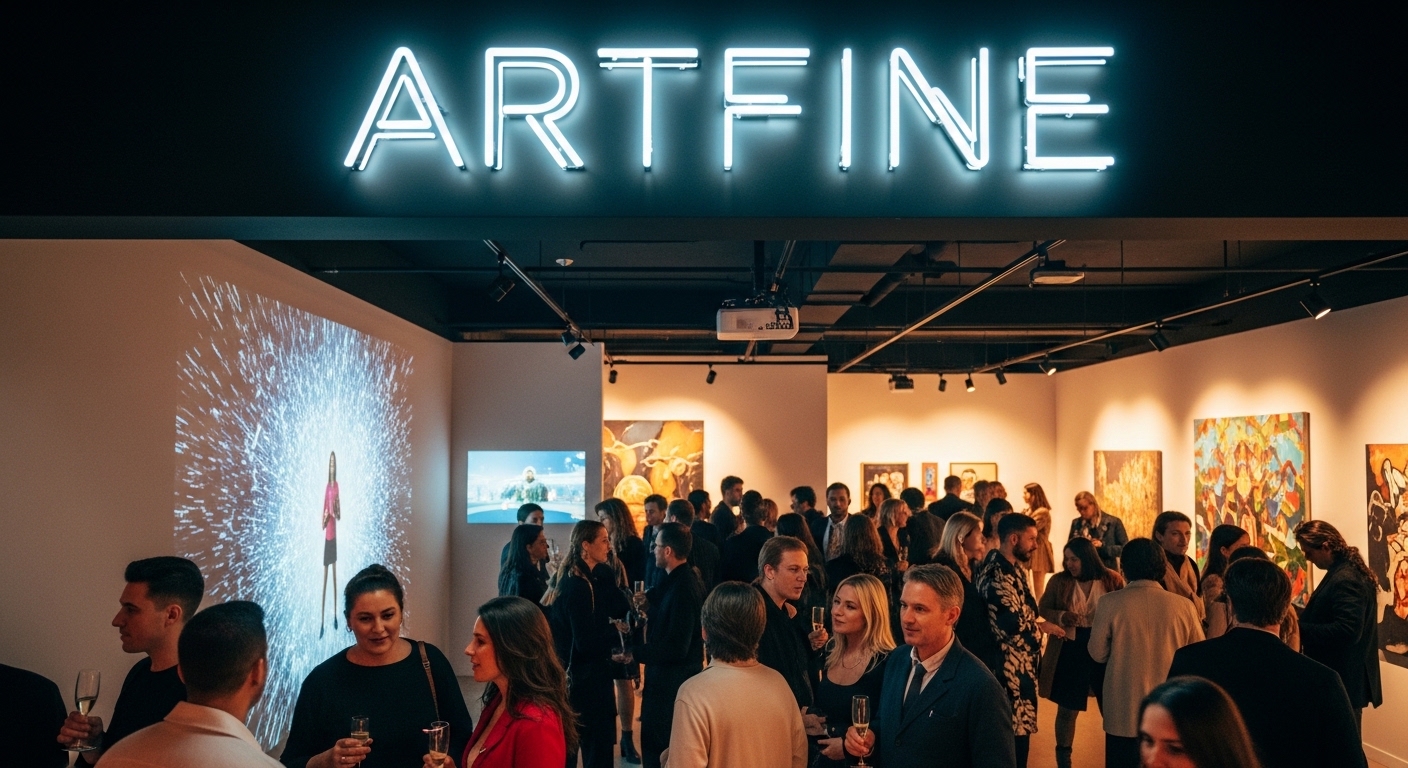
Art has always been a reflection of society, evolving as cultures shift and new ideas emerge. Enter Artfine—a dynamic movement that is reshaping the very essence of artistic expression. This fresh wave goes beyond traditional boundaries, blending creativity with technology in ways we’ve never seen before. Artists today are breaking free from conventional molds to create thought-provoking pieces that challenge our perceptions and ignite conversations. Join us on this journey through the vibrant world of Artfine, where innovation meets inspiration and every brushstroke tells a new story.
The Core Principles of Artfine
Artfine thrives on a foundation built around inclusivity and experimentation. It invites artists from diverse backgrounds to share their unique perspectives without the constraints of traditional norms.
At its heart, Artfine champions authenticity. This movement encourages creators to express their true selves, embracing imperfections and raw emotions as vital components of artistic expression.
Collaboration plays a crucial role in Artfine as well. Artists often join forces across disciplines, blending styles and techniques to push creative limits further than ever before.
Additionally, transparency is key within the Artfine community. Sharing processes, struggles, and successes helps demystify art creation while fostering understanding among artists and audiences alike.
Together, these principles unite a growing collective that seeks not just to create but also to inspire change through innovative artistic experiences.
Breaking Away from Traditional Art Forms
Artfine is a rebellion against the confines of traditional art forms. Artists are stepping out of their comfort zones, creating pieces that defy convention.
No longer bound by canvas or sculpture, creators explore new mediums and methods. They blend photography with digital design, merging reality and imagination in ways previously unthinkable.
Emotional expression takes center stage. The focus shifts from technical skill to raw feeling, inviting viewers into personal narratives. This fresh perspective reshapes how we interpret art itself.
Collaboration plays a vital role too. Artists unite across disciplines—musicians join forces with visual artists, dancers collaborate with sculptors—resulting in dynamic experiences that engage all senses.
As boundaries blur between genres, the landscape of artistic creation transforms dramatically. Artfine embodies this evolution, encouraging innovation while challenging audiences to rethink their understanding of what art can be.
The Impact of Technology on Artfine
Technology has become a driving force behind the Artfine movement. Artists now have access to tools that were once unimaginable. Digital canvases, augmented reality, and artificial intelligence are just the beginning.
These innovations allow for new forms of expression. Traditional mediums can be combined with digital techniques, creating something entirely fresh. This fusion challenges viewers’ perceptions of what art can be.
Social media platforms play a critical role as well. They provide artists with instant feedback and wider audiences than ever before. Emerging creators gain visibility without relying on galleries or traditional gatekeepers.
Moreover, technology fosters collaboration across disciplines. Musicians, visual artists, and programmers often come together to create immersive experiences that transcend conventional art boundaries.
Artfine is not just redefining how we make art; it’s reshaping the entire artistic landscape through technological integration.
How Artfine is Pushing Boundaries and Challenging the Status Quo
Artfine is a breath of fresh air in the art world. It defies conventional norms, inviting artists to explore uncharted territories. This movement encourages creative expression beyond traditional mediums and techniques.
Artists are experimenting with mixed media, combining painting, digital elements, and performance art. They engage audiences in ways that challenge passive viewing experiences. Instead of just observing, viewers become participants in the artistic process.
This shift not only redefines what constitutes art but also questions who gets to define it. Artfine embraces diverse voices from different backgrounds, creating a rich tapestry of perspectives that push against established boundaries.
Through collaboration and innovation, this movement is reshaping dialogues within the art community. Artists draw inspiration from social issues and personal narratives, making their work deeply relevant today. The status quo becomes increasingly irrelevant as Artfine continues to evolve and inspire new generations of creators.
Case Studies: Artists Embracing the Artfine Movement
One standout artist in the Artfine movement is Maya Lin. Known for her powerful installations, she merges nature with technology. Her work challenges viewers to consider their relationship with the environment.
Another significant figure is Daito Manabe, a digital artist who blends art and coding seamlessly. His immersive experiences engage audiences on multiple sensory levels, blurring the lines between creator and observer.
Then there’s Ai Weiwei, whose provocative pieces question societal norms and governmental structures. Through social media and public installations, he creates dialogues that resonate internationally.
Each of these artists highlights how Artfine transcends traditional mediums. They explore new realms of expression while fostering conversations around contemporary issues. This collective effort drives home the significance of innovation in today’s artistic landscape.
Criticisms and Controversies Surrounding Artfine
Artfine has stirred a pot of debate in the artistic community. Critics often argue that it can dilute traditional forms, blending genres in ways that feel disorienting or haphazard.
Some established artists express concern over the perceived lack of skill and craftsmanship. They worry that technology takes precedence over talent, raising questions about authenticity.
Additionally, Artfine’s focus on accessibility sometimes leads to accusations of elitism from within its ranks. The movement is seen as favoring those with tech-savvy backgrounds while sidelining more conventional artists.
Controversies around commercialism also arise. With many Artfine pieces being sold for hefty sums, some question whether it’s art or just a lucrative market trend.
These discussions reflect broader tensions in an evolving landscape where definitions of art are constantly shifting. Artists and critics alike grapple with what it means to create and appreciate art today.
The Future of Artfine and its Role in Shaping the Art
The future of Artfine is brimming with possibilities. As artists continue to explore new mediums and techniques, the movement will likely evolve in unexpected ways.
Collaboration between diverse disciplines could become more prevalent. Artists may team up with technologists, designers, and even scientists to create immersive experiences that redefine engagement.
Artfine encourages experimentation beyond traditional boundaries. This openness fosters innovation, allowing for unique artistic expressions that reflect contemporary society’s complexities.
Sustainability might take center stage as well. Artists are beginning to incorporate eco-friendly practices into their work, making statements about environmental issues while pushing the envelope of creativity.
As global connectivity increases through digital platforms, Artfine has the potential to reach audiences far and wide. It invites dialogue across cultures and communities, enriching the art world in unforeseen directions.
Conclusion
Artfine is not just a trend; it represents a profound shift in how we perceive and create art. By challenging traditional norms, artists within this movement are redefining boundaries and pushing the limits of creativity. The fusion of technology with artistic expression opens new avenues for exploration, allowing individual voices to emerge.
As more creators embrace Artfine principles, we witness a broader spectrum of artistic representation that reflects contemporary society’s diversity. While criticisms exist regarding its legitimacy and the potential dilution of ‘true’ art forms, these discussions only enhance its significance in today’s cultural landscape.
The future holds exciting possibilities for Artfine as it continues to evolve. It serves as a reminder that art is always changing—a living entity shaped by our experiences, technologies, and imaginations. This dynamic movement invites us all to engage with art on different levels and encourages deeper conversations about what it means to be an artist in the modern age.