
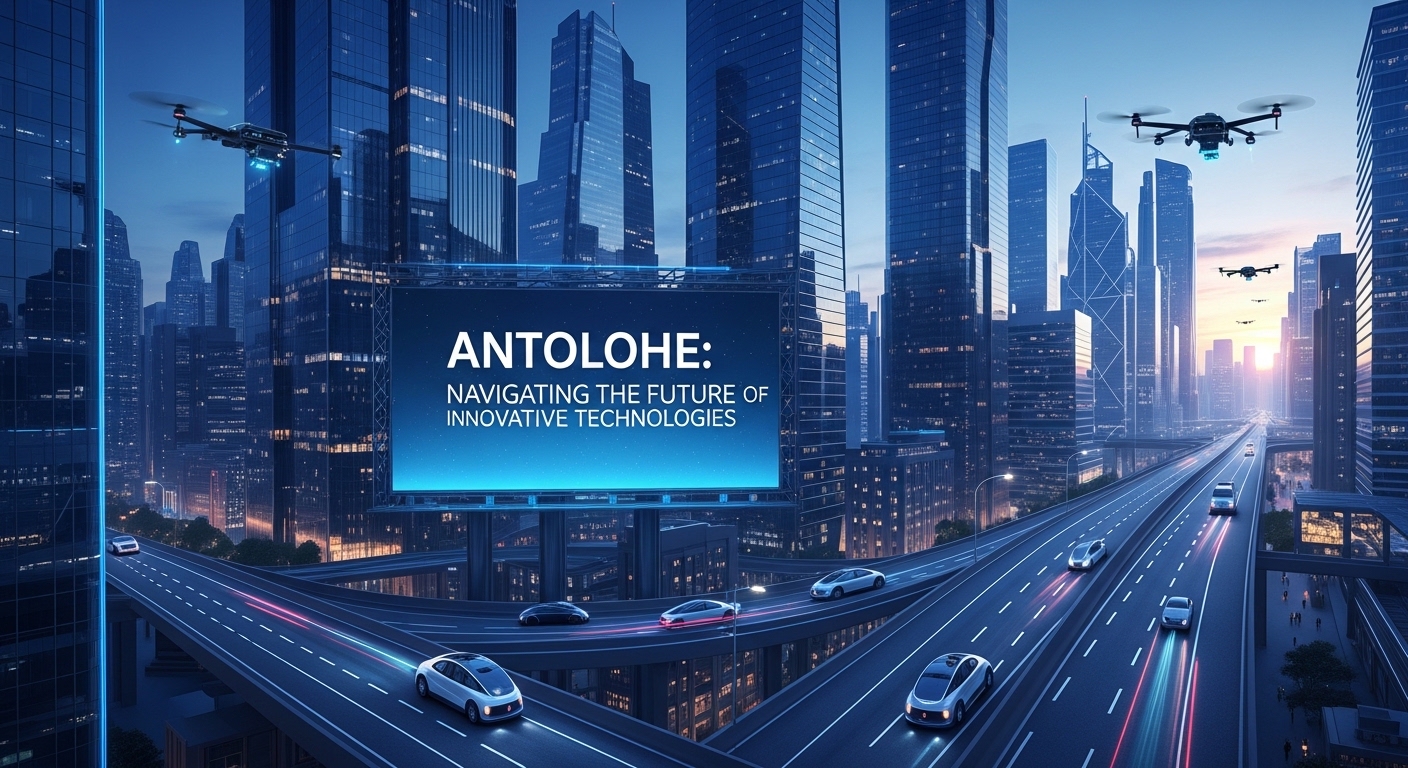
In the bustling heart of modern innovation, few concepts capture the imagination like antolohe. It is more than a buzzword; it represents a paradigm shift in how technology interfaces with everyday life. Picture a startup founder in a small co-working space, sketching out ideas for a device that could revolutionize user interaction. Every line of code, every hardware tweak, is guided by principles rooted in antolohe. This is where vision meets practicality—where theoretical frameworks translate into tangible solutions.
Understanding antolohe is essential for entrepreneurs, tech enthusiasts, and forward-thinking investors because it is reshaping the landscape of digital innovation. At its core, antolohe blends adaptive algorithms with human-centric design, allowing systems to learn from behavior patterns while maintaining ethical and practical standards.
The Origins of Antolohe
The roots of antolohe can be traced back to early adaptive computing models in the late 2010s. Engineers and cognitive scientists were exploring ways to make systems more intuitive without losing transparency or control. Antolohe emerged from this research as a framework that combines predictive analytics, machine learning, and behavioral insights to create more responsive and proactive technologies.
Unlike traditional models that rely solely on pre-programmed responses, antolohe systems dynamically adjust based on real-time data. This means that whether it’s a personal assistant, smart device, or enterprise software, the system evolves alongside its users, improving efficiency and experience over time.
Real-World Applications
The practical applications of antolohe are vast, cutting across industries from healthcare to finance. In healthcare, antolohe-enabled diagnostic tools can predict patient needs and suggest interventions before critical situations arise. In finance, adaptive algorithms help detect anomalies and optimize investment strategies in real time.
Consider the example of smart logistics. Companies using antolohe frameworks can streamline supply chains by predicting demand fluctuations, rerouting shipments, and minimizing downtime. This is not just theoretical—it translates into cost savings, operational efficiency, and a competitive edge.
| Industry | Antolohe Application | Impact |
|---|---|---|
| Healthcare | Predictive diagnostics | Faster response times, improved patient outcomes |
| Finance | Fraud detection & investment optimization | Reduced risk, smarter asset allocation |
| Logistics | Adaptive supply chain management | Lower costs, increased efficiency |
| Education | Personalized learning platforms | Enhanced engagement, tailored instruction |
Why Entrepreneurs Should Care
For entrepreneurs and innovators, understanding antolohe is a strategic advantage. Integrating antolohe into product development can create smarter, more responsive solutions that resonate with users. The key is not merely implementing advanced algorithms but aligning them with a clear vision of user experience and ethical responsibility.
Startups that embrace antolohe early often gain insights that are difficult for competitors to replicate. This includes predictive modeling, customer behavior analytics, and adaptive personalization that increases retention and satisfaction. The result is a product that feels almost intuitive—an experience users remember and value.
Challenges and Ethical Considerations
Despite its promise, antolohe is not without challenges. Adaptive systems require vast amounts of data, raising questions about privacy and security. Ethical considerations also come into play when algorithms begin to make predictive decisions that affect real people.
To address these issues, companies must develop robust frameworks for data governance, transparency, and accountability. This involves creating systems that explain their decisions, allow human oversight, and protect sensitive information. Ethical antolohe is not just a regulatory requirement—it’s a competitive differentiator, building trust in an increasingly automated world.
The Future of Antolohe
Looking forward, the trajectory of antolohe points toward more seamless integration into everyday technology. Emerging areas such as augmented reality, wearable devices, and IoT ecosystems will benefit from antolohe’s adaptive, intelligent approach. By 2030, it is likely that most consumer-facing technologies will incorporate principles, making interactions smoother, more intuitive, and highly personalized.
Moreover, collaboration between interdisciplinary teams—engineers, designers, behavioral scientists, and ethicists—will ensure that evolves responsibly. The fusion of technical expertise with human insight will make these systems not only smarter but also more aligned with societal needs.
Conclusion
Antolohe is more than a technological innovation; it is a lens through which the future of human-machine interaction can be understood. From healthcare to finance, logistics to education, its adaptive principles are shaping smarter, more efficient, and ethically responsible systems. For entrepreneurs, embracing is not just an opportunity—it is a necessity for staying ahead in a rapidly evolving digital landscape.
As we move forward, the true potential of will lie in balancing innovation with responsibility, creating technologies that enhance life rather than complicate it. In doing so, the next decade of innovation could be defined not only by speed and capability but also by insight, empathy, and adaptability.