In the heart of Silicon Valley, a small startup was struggling to keep up with repetitive workflows that consumed both time and talent. Emails went unanswered, tasks piled up, and employees were drowning in administrative work. That’s when the company decided to integrate the Auztron Bot, an AI-driven automation platform designed to handle routine operations with precision and speed. Within weeks, processes that once took hours were completed in minutes, freeing teams to focus on strategic decision-making. This transformation was more than efficiency—it was a glimpse into how intelligent automation is reshaping modern business.
Understanding Auztron Bot and Its Role in Business
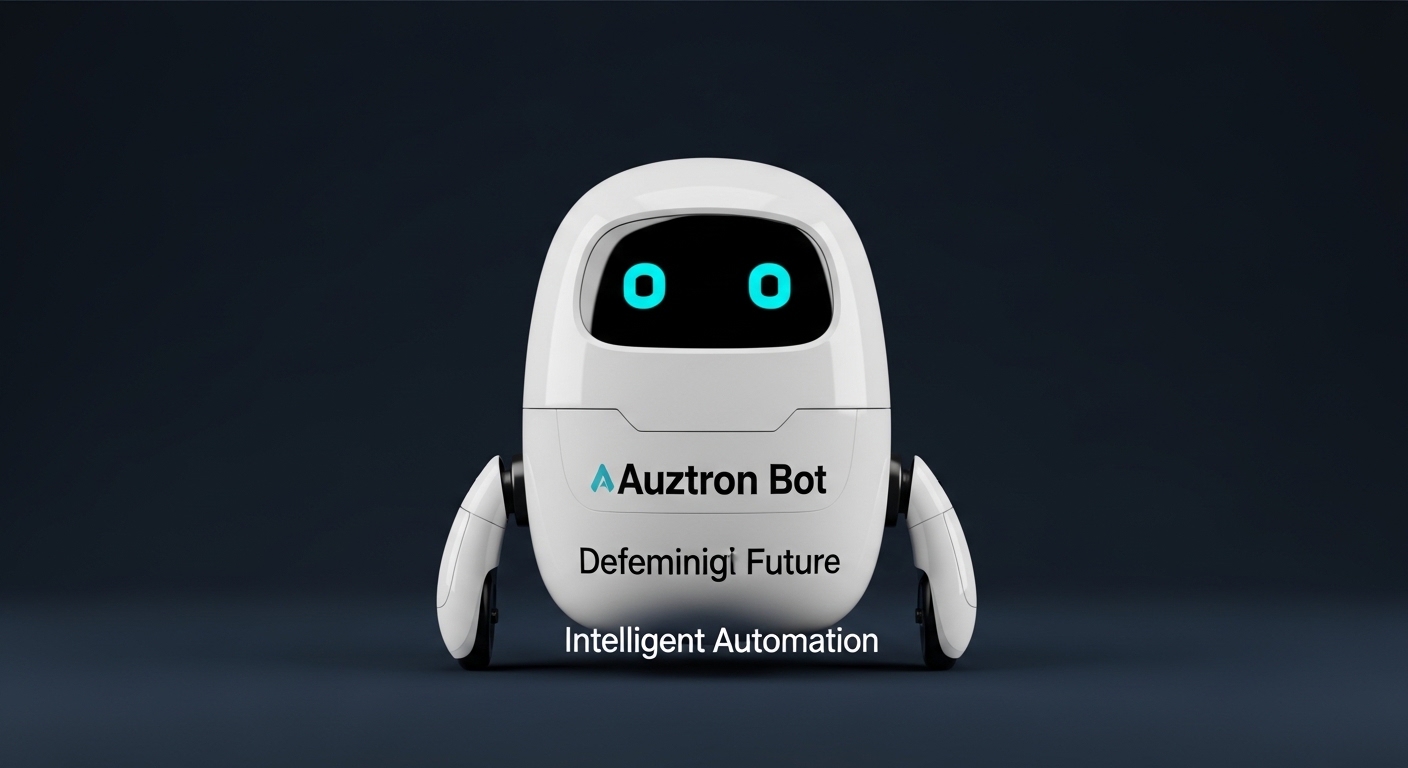
At its core, Auztron Bot is an AI-powered software tool that automates repetitive tasks, integrates with multiple digital platforms, and provides actionable insights. Unlike traditional automation scripts, which follow rigid instructions, Auztron Bot leverages machine learning to adapt to new patterns, ensuring accuracy and responsiveness in complex workflows. For entrepreneurs and tech leaders, this means not only saving time but also reducing human error, optimizing productivity, and gaining a competitive edge.
Auztron Bot’s capabilities extend beyond simple task automation. It can handle customer inquiries, generate reports, manage data entry, and even make predictive suggestions based on historical trends. Its design ensures that it complements human work rather than replacing it, creating a hybrid workforce that is both smarter and more efficient.
Real-World Applications Across Industries
The versatility of Auztron Bot allows it to function effectively across various sectors:
-
Finance: Automates transaction reconciliation, fraud detection, and client reporting.
-
Healthcare: Streamlines patient data management, appointment scheduling, and follow-ups.
-
E-commerce: Handles order processing, inventory updates, and customer support.
-
Marketing: Analyzes campaigns, tracks engagement, and optimizes outreach strategies.
For example, an online retail company integrated Auztron Bot into its customer service pipeline. The bot handled up to 70% of routine queries autonomously, resulting in a 40% increase in customer satisfaction scores and significant cost savings. This demonstrates that beyond efficiency, Auztron Bot can directly impact business growth and client loyalty.
Key Features That Set Auztron Bot Apart
What differentiates Auztron Bot from other automation tools is its combination of intelligence, adaptability, and integration flexibility. A comparative view of its features is shown below:
| Feature | Auztron Bot | Traditional Automation Tools |
|---|---|---|
| AI-Powered Adaptation | Learns and improves over time | Static, rule-based operations |
| Multi-Platform Integration | Connects with multiple apps seamlessly | Limited or manual integration |
| Predictive Analytics | Offers actionable insights | Only executes predefined tasks |
| Human Collaboration | Designed to augment human work | Minimal collaboration |
| Scalability | Easily scales with business growth | Often requires reconfiguration |
This table illustrates why Auztron Bot is more than just a productivity tool—it’s a strategic asset for businesses seeking to remain competitive in a rapidly evolving digital landscape.
The Technology Behind Auztron Bot
Auztron Bot combines natural language processing (NLP), machine learning, and robotic process automation (RPA) to achieve intelligent functionality. NLP allows the bot to understand and respond to human queries in real time, while machine learning ensures that its performance improves with continued use. RPA handles structured, repetitive tasks, ensuring that operations are executed flawlessly and without delay.
This technological synergy means that can manage unstructured data—emails, chat messages, documents—while maintaining the reliability of traditional automation. The result is a tool that is both smart and dependable, capable of transforming business workflows across departments.
Implementation Strategies for Maximum Impact
Successful integration of Auztron Bot requires a thoughtful strategy. Experts recommend starting with a needs assessment to identify repetitive, high-volume tasks. Once these processes are mapped, the bot can be deployed incrementally, allowing teams to adapt and refine its capabilities.
Training employees to work alongside is equally important. By clearly defining responsibilities for both humans and the bot, companies ensure that automation complements, rather than complicates, existing workflows. Finally, continuous monitoring and feedback loops help maintain accuracy and enable the bot to evolve with organizational needs.
Challenges and Considerations
While Auztron Bot offers transformative potential, businesses must address certain considerations:
-
Data Privacy: Ensuring the bot handles sensitive information securely.
-
Integration Complexity: Some legacy systems may require additional configuration.
-
Change Management: Employees may resist automation; proper communication and training are critical.
Addressing these factors proactively helps companies harness the full benefits of intelligent automation while mitigating risks.
Looking Ahead: The Future of Auztron Bot
The evolution of Auztron Bot reflects a broader trend in AI-driven business solutions. As technology becomes more adaptive and intuitive, bots like Auztron are expected to move beyond operational tasks into strategic decision-making, providing insights that shape corporate strategy. The integration of predictive analytics and advanced AI models could allow businesses to anticipate market shifts, optimize resources, and respond faster than ever before.
For entrepreneurs and tech leaders, adopting today is not just about efficiency—it’s about future-proofing operations and cultivating a data-driven, agile culture that can thrive in a constantly changing marketplace.
Conclusion
The story of Auztron Bot is not just about automation; it is about transformation. By seamlessly blending AI intelligence with practical business needs, it empowers companies to work smarter, reduce errors, and focus on high-impact initiatives. As organizations increasingly embrace digital innovation, tools like will become indispensable, setting new standards for productivity, adaptability, and strategic insight.