
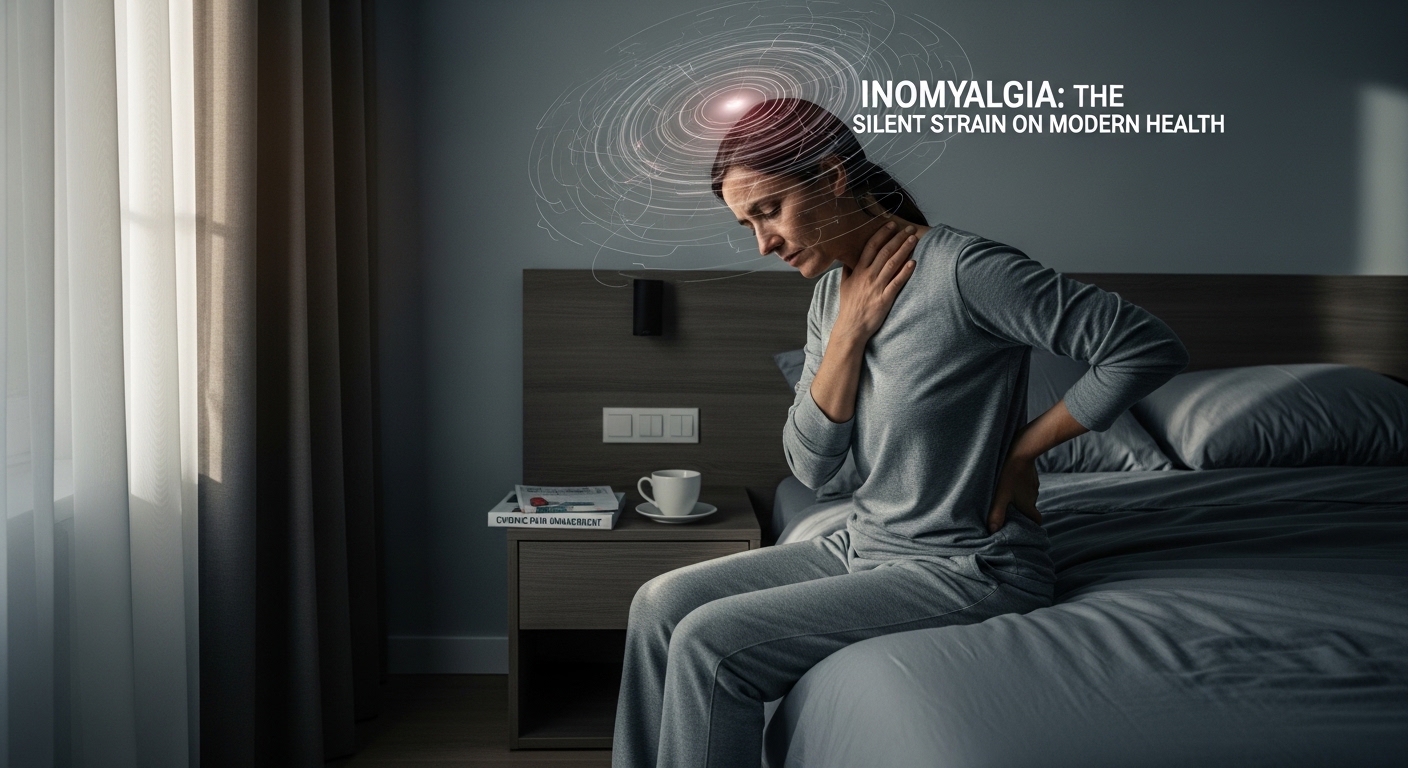
It began as a dull ache in her shoulders, barely noticeable at first. Yet over weeks, the discomfort spread—numbness, stiffness, and persistent fatigue made her daily routine a challenge. After countless consultations, she finally heard the word that explained her experience: inomyalgia. This condition, often overlooked and misunderstood, affects thousands worldwide, quietly impacting both personal and professional lives.
Inomyalgia is not just muscle pain. It is a complex syndrome that intertwines physical discomfort with lifestyle, emotional wellbeing, and sometimes, chronic health conditions. For many, understanding the nuances of inomyalgia is the first step toward effective management and reclaiming quality of life.
What is Inomyalgia?
At its core, inomyalgia refers to persistent, unexplained muscle pain that can affect one area or multiple regions of the body. Unlike typical soreness from exercise or minor injuries, inomyalgia is chronic and often resistant to conventional pain treatments. Medical professionals recognize it as a spectrum condition, ranging from mild discomfort to debilitating pain that disrupts daily routines.
Experts emphasize that inomyalgia is more than a physical sensation—it is a manifestation of physiological and, sometimes, psychological stressors. Identifying the triggers and patterns is essential for accurate diagnosis and effective care.
Causes and Risk Factors
The origins of inomyalgia are multifaceted. While the exact cause remains under study, research highlights several contributing factors:
-
Muscle Overuse or Injury – Repetitive strain from daily activities or exercise can trigger persistent pain.
-
Inflammatory Conditions – Autoimmune disorders like rheumatoid arthritis may worsen muscle sensitivity.
-
Lifestyle Stressors – Sedentary habits, poor posture, and prolonged stress contribute to muscular tension.
-
Neurological Sensitivity – Heightened nerve sensitivity can amplify pain perception even in the absence of injury.
Age, genetics, and existing chronic conditions also play roles, making inomyalgia a highly individualized condition.
Recognizing the Symptoms
Patients often describe inomyalgia as a combination of the following:
-
Persistent muscle aches that linger for weeks or months
-
Stiffness, especially in the morning or after inactivity
-
Fatigue and general malaise
-
Heightened sensitivity to touch in affected areas
Importantly, these symptoms may fluctuate. Some days can feel almost normal, while others are dominated by pain and stiffness. This variability often makes inomyalgia difficult to identify without careful observation and professional evaluation.
Diagnosing Inomyalgia: Challenges and Approaches
Because inomyalgia mimics other conditions, diagnosis is largely one of exclusion. Physicians typically rely on a combination of patient history, physical exams, and sometimes imaging or blood tests to rule out other causes.
A valuable tool in diagnosis is symptom mapping, where patients track pain locations, intensity, and triggers over time. The table below illustrates a simplified example of symptom tracking for inomyalgia management:
| Symptom | Location | Intensity (1–10) | Triggers | Relief Measures |
|---|---|---|---|---|
| Muscle ache | Shoulders | 6 | Typing, stress | Stretching, massage |
| Stiffness | Lower back | 5 | Sitting long hours | Heat therapy |
| Fatigue | Whole body | 7 | Poor sleep | Light exercise |
This structured approach not only aids diagnosis but also helps patients identify lifestyle modifications that may reduce symptom severity.
Management and Treatment Strategies
Effectively managing inomyalgia requires a combination of medical intervention, lifestyle adjustments, and patient education:
-
Physical Therapy – Targeted exercises can improve muscle strength and flexibility.
-
Medication – Anti-inflammatory drugs or muscle relaxants may relieve acute pain episodes.
-
Mind-Body Techniques – Practices such as yoga, meditation, and mindfulness reduce stress-related muscle tension.
-
Lifestyle Changes – Proper ergonomics, balanced nutrition, and adequate sleep are critical.
Emerging therapies, including neuromodulation and personalized exercise programs, show promise in improving long-term outcomes for those with chronic inomyalgia.
Living Well with Inomyalgia
Living with inomyalgia does not mean resigning to constant discomfort. Awareness, early intervention, and patient-centered care can significantly enhance daily life. Patients benefit from adopting proactive strategies, including monitoring symptoms, pacing activities, and seeking professional guidance rather than enduring unexplained pain in isolation.
Importantly, support networks—whether family, friends, or online communities—play a vital role in emotional resilience. Understanding and validating the experience of inomyalgia reduces the psychological burden often associated with chronic conditions.
The Future of Inomyalgia Research
Medical research continues to uncover insights about inomyalgia, particularly regarding its neurological and inflammatory components. Advances in wearable technology and personalized medicine promise more precise tracking of muscle function and pain triggers, potentially transforming how patients and clinicians manage the condition.
By integrating clinical expertise, lifestyle interventions, and cutting-edge research, the future for those living with looks increasingly hopeful.
Conclusion
Inomyalgia may be a silent, often misunderstood condition, but knowledge empowers patients to reclaim control over their lives. Through careful symptom monitoring, targeted therapy, and lifestyle optimization, those affected can manage pain, improve function, and maintain overall wellbeing. Awareness among healthcare providers and the public remains crucial in ensuring that this complex condition receives the attention it deserves.