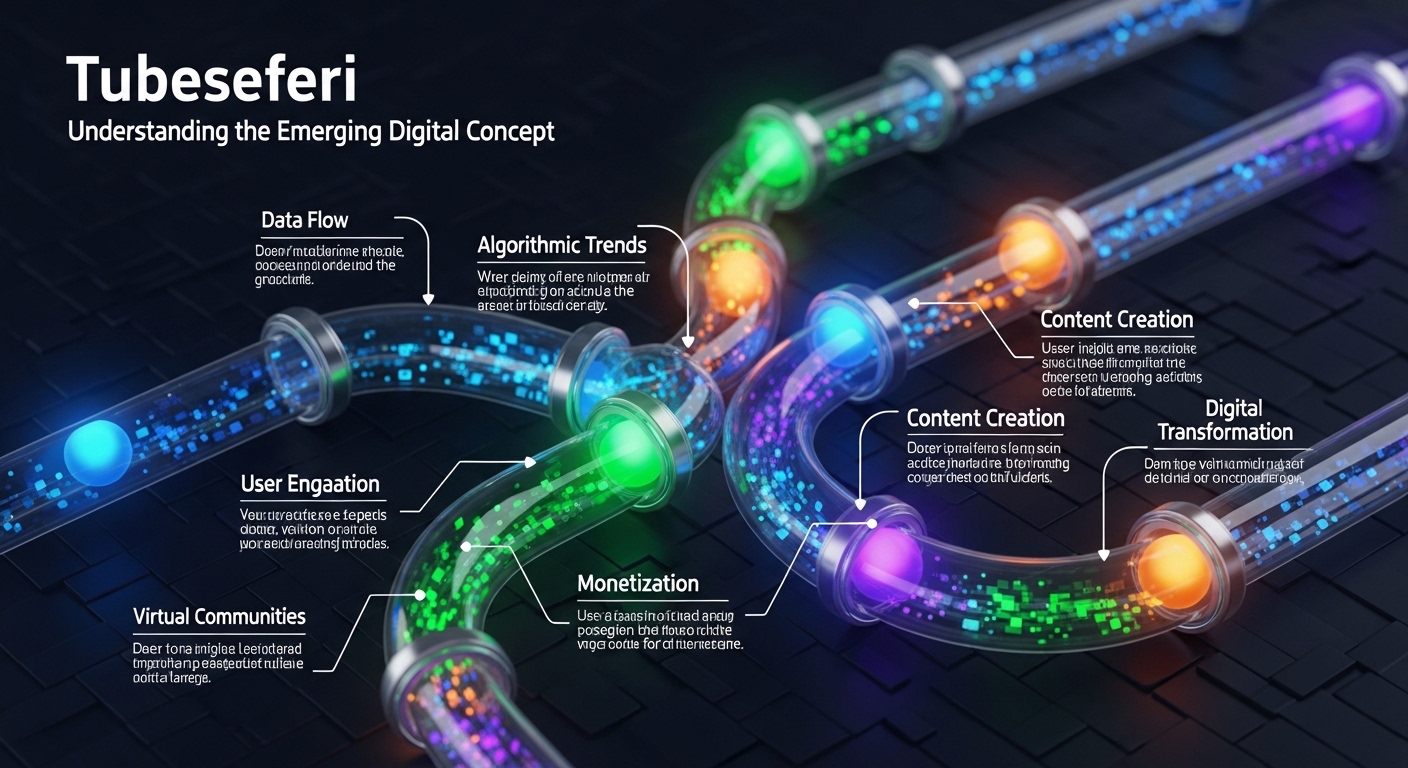
The digital world evolves quickly, and new terms, platforms, and concepts constantly appear to describe emerging technologies and online ecosystems. One such term gaining attention is Tubeseferi. While it may sound unfamiliar at first, Tubeseferi represents an idea closely connected with digital exploration, multimedia platforms, and the transformation of how people interact with online content.
In recent years, internet users have shifted from traditional browsing toward immersive content experiences. Video-based platforms, streaming ecosystems, and multimedia networks have become the center of communication, entertainment, and education. Within this evolving environment, Tubeseferi symbolizes the journey through digital video landscapes, where users discover, consume, and share content across multiple platforms.
Understanding Tubeseferi requires looking at how online media developed, how digital audiences behave today, and how content platforms are shaping the future of information consumption. This article explores the meaning, background, technological relevance, and potential impact of Tubeseferi within modern digital culture.
What is Tubeseferi?
Tubeseferi can be interpreted as a conceptual term describing the experience of navigating video-centric digital platforms and multimedia ecosystems. The word blends two ideas: “tube,” commonly associated with online video platforms, and “seferi,” which suggests a journey or exploration.
In practical terms, Tubeseferi represents the process of discovering video content across online networks, learning from it, and engaging with communities built around multimedia sharing. The concept reflects how digital users no longer rely solely on written articles or static websites. Instead, they increasingly interact with visual and audiovisual experiences.
Modern internet users spend a significant amount of time watching tutorials, documentaries, reviews, and entertainment videos. This shift has changed how knowledge spreads online. Through Tubeseferi, users move through digital spaces where information is communicated visually and interactively rather than purely through text.
The concept highlights the transformation of the internet into a video-first environment where discovery, education, and entertainment merge into one continuous experience.
The Origin and Evolution of Tubeseferi
Although the exact origin of the term Tubeseferi remains unclear, it appears to have emerged from discussions around online media exploration and digital journeys. The term reflects the cultural shift toward streaming platforms and video-driven communication.
In the early days of the internet, most websites relied heavily on written content. Forums, blogs, and static pages dominated the web. Over time, advancements in internet speed, mobile devices, and cloud technology allowed multimedia content to flourish.
The evolution of digital media can be summarized in the following phases.
| Era | Main Internet Format | User Behavior |
|---|---|---|
| Early Internet (1990s) | Text-based websites | Reading articles and forums |
| Web 2.0 (2000–2010) | Interactive platforms | Social media participation |
| Video Expansion (2010–2020) | Streaming and video platforms | Watching tutorials and entertainment |
| Modern Era (2020+) | Multimedia ecosystems | Interactive digital journeys |
The Tubeseferi concept fits strongly within the modern era, where users explore digital environments through continuous streams of visual content.
How Tubeseferi Reflects Modern Digital Behavior
Online behavior has changed dramatically during the last decade. Instead of searching for long text explanations, many users now prefer visual demonstrations and interactive storytelling.
This behavioral shift explains why the Tubeseferi concept resonates with modern internet culture. Video platforms offer several advantages that written formats sometimes struggle to deliver.
First, visual learning makes complex information easier to understand. A technical process explained through video can often be clearer than a long written description. Second, video content feels more personal and engaging because viewers see and hear the creator directly. Finally, algorithms recommend new content automatically, allowing users to continue their exploration without needing to search manually.
The following table highlights key differences between traditional web browsing and the Tubeseferi-style experience.
| Feature | Traditional Web Browsing | Tubeseferi Experience |
|---|---|---|
| Content Format | Text articles | Video and multimedia |
| Discovery Method | Search engines | Algorithm recommendations |
| User Interaction | Reading and commenting | Watching, sharing, and engaging |
| Learning Style | Analytical reading | Visual demonstration |
These differences show how Tubeseferi reflects a new form of digital engagement centered on multimedia exploration.
The Technology Behind Tubeseferi
The experience associated with Tubeseferi would not be possible without modern technological infrastructure. Several innovations have enabled the widespread consumption of video content across the internet.
High-speed broadband connections have dramatically reduced buffering times and improved streaming quality. Cloud computing has allowed platforms to host enormous libraries of multimedia files without overwhelming local servers. Meanwhile, artificial intelligence and machine learning algorithms analyze user behavior to recommend relevant content.
Mobile technology also plays an important role in the Tubeseferi environment. Smartphones and tablets have transformed how people access digital media. Instead of sitting at a desktop computer, users can watch videos anywhere, turning the internet into a constant stream of accessible content.
The relationship between technology and the Tubeseferi experience can be summarized as follows.
| Technology | Role in Tubeseferi |
|---|---|
| Cloud Storage | Hosts massive video libraries |
| Artificial Intelligence | Recommends personalized content |
| High-Speed Internet | Enables seamless streaming |
| Mobile Devices | Allows access from anywhere |
Together, these technologies create the immersive multimedia environment that defines the Tubeseferi concept.
Tubeseferi in Education and Learning
One of the most powerful aspects of Tubeseferi is its influence on education. Video platforms have become valuable tools for learning new skills and accessing information quickly.
Students often rely on video explanations to understand complex academic subjects. Visual demonstrations can simplify mathematical concepts, scientific experiments, or technical procedures. In many cases, a short tutorial provides clarity that textbooks alone may not achieve.
Professional development also benefits from the Tubeseferi approach. Many individuals learn programming, design, marketing, or language skills by exploring video tutorials created by experts. The ability to pause, replay, and follow step-by-step demonstrations makes multimedia learning extremely effective.
The educational impact of Tubeseferi can be illustrated in the following table.
| Learning Method | Advantages |
|---|---|
| Video Tutorials | Step-by-step visual guidance |
| Educational Channels | Structured knowledge sharing |
| Recorded Lectures | Flexible learning schedules |
| Demonstration Content | Practical skill development |
Through these methods, Tubeseferi contributes to the democratization of knowledge, allowing anyone with an internet connection to access educational resources.
Content Creation and the Tubeseferi Ecosystem
Another essential component of Tubeseferi is the role of content creators. Individuals and organizations produce videos that inform, entertain, and inspire audiences across the world.
Content creation has evolved into a major digital industry. Creators build communities around their channels, interact with viewers, and develop unique storytelling styles. This creative environment encourages innovation and diverse perspectives.
Creators within the Tubeseferi ecosystem often focus on specific niches, such as technology reviews, travel documentaries, educational lectures, gaming entertainment, or lifestyle guidance. By specializing in particular topics, they attract audiences who share similar interests.
The following table shows how content creators contribute to the Tubeseferi landscape.
| Creator Type | Content Focus |
|---|---|
| Educators | Tutorials and academic explanations |
| Reviewers | Product analysis and comparisons |
| Entertainers | Comedy, storytelling, and performances |
| Documentarians | Informational and cultural content |
This creative diversity ensures that the Tubeseferi experience continues expanding across countless subject areas.
The Role of Community in Tubeseferi
Digital communities form an important part of the Tubeseferi environment. Video platforms encourage users not only to watch content but also to participate in discussions, share opinions, and support creators.
Comment sections, discussion forums, and social media integrations create spaces where audiences interact directly with creators and with each other. These interactions transform passive viewers into active participants within digital communities.
Communities built around multimedia platforms often revolve around shared interests. Technology enthusiasts gather around gadget review channels, while music lovers follow performance creators. These communities strengthen engagement and help maintain the continuous exploration characteristic of Tubeseferi.
Community interaction can be summarized through the following elements.
| Community Element | Purpose |
|---|---|
| Comment Discussions | Viewer feedback and conversation |
| Content Sharing | Expanding audience reach |
| Subscriber Networks | Long-term viewer engagement |
| Collaborative Projects | Creator partnerships |
Through these elements, Tubeseferi becomes more than a viewing experience—it becomes a social ecosystem.
Challenges and Criticisms of the Tubeseferi Model
Despite its many advantages, the Tubeseferi concept also faces certain challenges. The rapid growth of multimedia platforms has created issues related to information quality, algorithm influence, and content overload.
One common criticism involves algorithm-driven recommendations. While personalized suggestions help users discover new content, they can also create echo chambers where viewers encounter only similar perspectives.
Another challenge involves misinformation. Because video content spreads quickly across the internet, inaccurate or misleading information may reach large audiences before being verified.
Content creators also face pressure to maintain visibility within competitive digital environments. The constant need for fresh content can lead to burnout or reduced quality.
These challenges highlight the importance of responsible content creation, critical viewing skills, and platform accountability within the Tubeseferi ecosystem.
The Future Potential of Tubeseferi
Looking ahead, the concept of Tubeseferi is likely to evolve alongside technological advancements. Emerging technologies such as virtual reality, augmented reality, and interactive media could transform the multimedia experience even further.
Virtual reality platforms may allow viewers to explore immersive environments rather than simply watching videos on a screen. Interactive storytelling could enable audiences to influence narratives in real time. Artificial intelligence might personalize content experiences with even greater accuracy.
These innovations suggest that the Tubeseferi journey will become increasingly immersive and interactive in the future. The internet may continue shifting toward multimedia experiences where information, entertainment, and community interaction blend seamlessly.
Why Tubeseferi Matters in the Digital Age
Understanding Tubeseferi helps explain how digital culture is changing. The internet is no longer defined solely by written articles or static web pages. Instead, it has become a dynamic environment where multimedia experiences dominate user engagement.
For businesses, educators, creators, and technology professionals, recognizing the significance of Tubeseferi provides insight into audience behavior and digital communication strategies. Organizations that adapt to multimedia storytelling can reach broader audiences and communicate ideas more effectively.
At the same time, users benefit from the vast opportunities for learning, entertainment, and cultural exchange made possible through video-centered platforms.
Conclusion
The concept of Tubeseferi captures an important shift in the way people explore and interact with digital media. By representing the journey through multimedia platforms and video-driven ecosystems, Tubeseferi reflects the transformation of the internet into a visually engaging environment.
From educational tutorials and creative storytelling to community interaction and technological innovation, Tubeseferi illustrates how digital experiences continue evolving. As internet infrastructure improves and new technologies emerge, the role of multimedia exploration will likely grow even further.
Ultimately, Tubeseferi represents more than a simple term. It symbolizes the ongoing evolution of digital communication, where knowledge, creativity, and connection travel through the powerful medium of video across the global online landscape.