
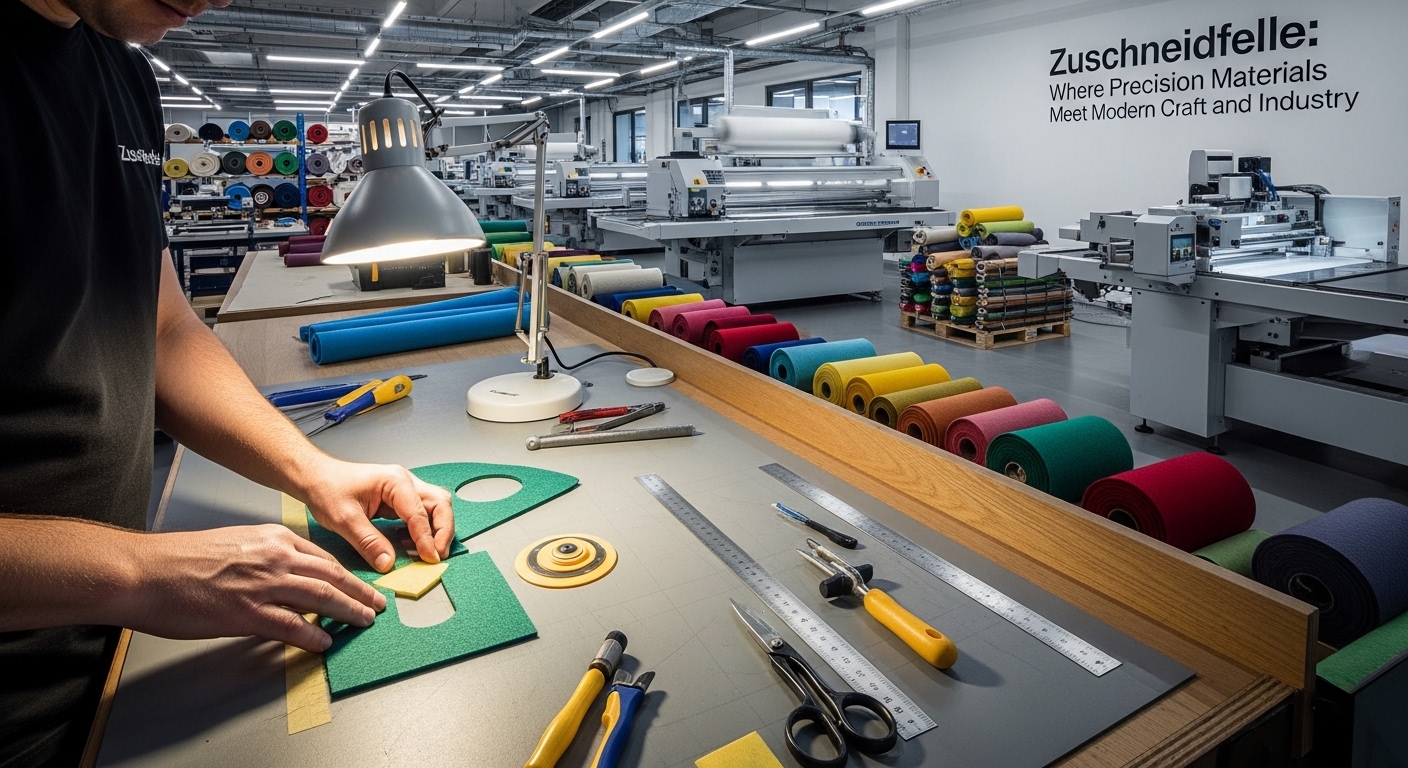
In a small workshop on the edge of a growing industrial district, a craftsman runs his hand across a perfectly cut surface. The material looks simple, almost ordinary, yet its precision tells another story. This is the quiet power of zuschneidfelle—materials prepared not just to exist, but to perform. From traditional craftsmanship to modern production lines, zuschneidfelle sit at the intersection of skill, technology, and efficiency. They rarely attract attention, yet entire workflows depend on their accuracy. Understanding zuschneidfelle is about understanding how thoughtful preparation transforms raw resources into reliable tools for progress.
Understanding Zuschneidfelle in a Practical Context
Zuschneidfelle refer to materials that are carefully cut and prepared to meet exact functional requirements. Unlike raw or roughly processed inputs, these materials are defined by consistency, dimensional accuracy, and readiness for immediate application. In real-world settings, zuschneidfelle reduce uncertainty. They eliminate the need for repeated adjustments, allowing professionals to focus on execution rather than correction. This reliability makes them valuable across industries where precision directly affects outcomes, costs, and timelines.
Why Precision Materials Matter More Than Ever
Modern industries operate under tight margins and even tighter deadlines. Zuschneidfelle respond to this pressure by offering predictability. When materials arrive pre-cut to specification, production becomes smoother and less wasteful. Errors decrease, rework is minimized, and planning becomes more accurate. In an era where efficiency defines competitiveness, zuschneidfelle are not a luxury; they are a strategic advantage that quietly supports scalable growth.
Zuschneidfelle and the Evolution of Craftsmanship
Traditional craftsmanship values control, balance, and intention. Zuschneidfelle enhance these values rather than replacing them. By starting with accurately prepared materials, artisans can dedicate more energy to design, finishing, and detail. The craft evolves from manual correction toward creative refinement. This shift preserves human skill while embracing precision as a partner rather than a rival.
Industrial Applications and Operational Impact
In industrial environments, zuschneidfelle contribute directly to process stability. Assembly lines benefit from uniform inputs, quality control becomes more consistent, and downtime caused by material mismatch declines. These materials integrate seamlessly into automated systems where tolerances are unforgiving. Over time, organizations using experience improved output consistency and stronger operational resilience.
Sustainability and Responsible Material Use
Sustainability is no longer optional, and zuschneidfelle play a subtle role in responsible production. Precision cutting reduces waste at the source. Fewer offcuts mean lower material consumption and reduced disposal needs. When organizations plan material usage accurately, environmental impact decreases alongside operational costs. demonstrate how efficiency and sustainability can align without compromise.
Decision Factors When Choosing Zuschneidfelle
Selecting the right zuschneidfelle requires more than basic measurements. Professionals consider tolerance levels, consistency across batches, and compatibility with existing processes. Material preparation quality often determines downstream performance. Organizations that evaluate strategically tend to build more reliable systems and avoid costly production disruptions.
Comparison Table: Raw Materials vs Zuschneidfelle
| Aspect | Raw Materials | Zuschneidfelle |
|---|---|---|
| Preparation Level | Minimal | Precisely cut and ready |
| Waste Generation | Higher | Significantly reduced |
| Production Speed | Slower due to adjustments | Faster and predictable |
| Quality Consistency | Variable | Highly consistent |
| Sustainability Impact | Moderate to high waste | Optimized material usage |
Economic Value Beyond the Purchase Price
At first glance, zuschneidfelle may appear more expensive than untreated materials. However, the true cost lies in performance over time. Reduced labor hours, fewer errors, and smoother workflows often outweigh initial pricing differences. When evaluated holistically, frequently deliver higher returns through operational efficiency and long-term reliability.
Zuschneidfelle in a Technology-Driven Future
As industries adopt automation, robotics, and data-driven manufacturing, the demand for precision inputs will continue to rise. Zuschneifelle align naturally with this evolution. Machines depend on consistency, and data-driven optimization requires predictable variables. These materials support innovation by providing stable foundations on which advanced systems can operate effectively.
Human Skill Still Matters
Despite increasing automation, human expertise remains essential. Zuscheidfelle do not replace judgment or creativity; they enhance them. Skilled professionals still make critical decisions about application, integration, and final execution. Precision materials simply ensure that human effort is spent on value creation rather than correction.
Conclusion
Zuschneidfelle may not dominate headlines, but their influence is deeply embedded in modern production, craftsmanship, and sustainability efforts. They represent a shift toward intentional preparation and thoughtful resource use. In a world where small inefficiencies can scale into major losses, offer a calm, reliable answer. They remind us that progress is often built not on dramatic change, but on precise foundations quietly doing their job—exceptionally well.